INNOVATION
Nine Million Homes Just Joined the Power Grid
Sunrun, Tesla, and Renew Home link 9 million homes into a 16.8 GW virtual power plant to help feed data centers
1 Jul 2026
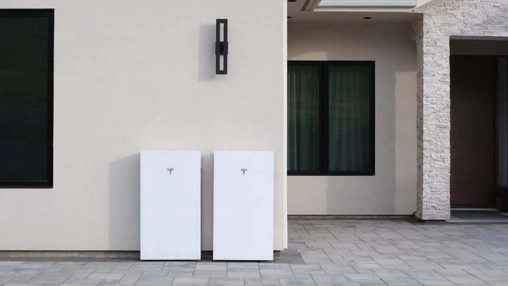
Grid operators have a habit of solving big problems with small parts. On June 24th 2026 three energy firms wagered that nine million American homes, wired together, could outdo new power plants. Sunrun, Tesla and Renew Home will link roughly 12m household devices, among them batteries, thermostats and car chargers, into a single dispatchable resource with 16.8 gigawatts of capacity. More than 300 megawatts already sit ready near Virginia's "Data Center Alley," a stretch of northern Virginia thick with server farms.
That location is no accident. Data centres built to train artificial intelligence have strained transmission networks faster than utilities can build new lines. Mary Powell, Sunrun's chief executive, put the mismatch bluntly: "a grid built in the 1800s cannot power the innovation of 2026." Her company's answer is to treat spare capacity sitting in garages and utility closets as a power station in disguise.
Coordination, not capacity, is the missing piece, according to Tesla's Colby Hastings. He said the answer is already in place inside home batteries and smart thermostats sitting idle across the country, and that unlocking that latent capacity requires only coordination. Renew Home supplies that coordination: software that turns scattered gadgets into one resource utilities can call upon.
Everyone's balance sheet benefits differently from the arrangement. Developers and data-centre operators gain a cheaper alternative to peaker plants and grid upgrades. Homeowners who enrol collect payments for lending their stored power at peak hours, which converts a rooftop panel into something closer to a small business. Wider adoption could, in theory, dampen wholesale electricity prices when demand spikes hardest.
Whether the theory survives contact with 12m real devices is another matter. Coordinating thermostats and car chargers at this scale has never been tried in America, and software glitches or opt-outs could shrink the promised 16.8 gigawatts considerably. Still, the direction is clear enough. Grid planners once filed distributed energy under "nice to have." They are now filing it under necessary, and the pace of that shift has caught most forecasters off guard.
Related News


topics on the agenda
THE RISE OF EMBEDDED VPPS: ACTIVATING GRID CAPACITY AT THE POINT OF SALE
Day 1: TBC
09:00 - 09:25
POWERING THE FUTURE: INTELLIGENT ENERGY MANAGEMENT FOR EV CHARGING
Day 1: TBC
09:30 - 09:55
FROM FORECASTS TO AUTONOMOUS GRID DECISIONS: BUILDING AI-DRIVEN VIRTUAL POWER PLANTS
Day 1: TBC
11:30 - 11:55
SUBSCRIBE FOR UPDATES
By submitting, you agree to receive email communications from the event organizers, including upcoming promotions and discounted tickets, news, and access to related events.